• for Appointment: +91 97513 79181
  • Email: care@pjangelshomehealthcares.com
logo-img
  • Home
  • About Us
  • Services
    • 24 Hours Care
      • 24 Hours In-Home Care
      • Respite Home Care
      • In Home Nursing
    • Elderly Care
      • Dementia Care
      • Parkinson Care
      • Paralytic Care
      • Domiciliary Care
      • Physiotherapy
    • Private In-Home Care
      • Post - Hospital Care
      • Diabetes Care
      • Chronic Condition Care
      • Vital Signs Monitoring
      • Geriatric care
    • Others
      • Urinary Catheterization
      • Wound Care
      • Infusion Therapy
      • Ryles Tube
      • Injections
      • Stitches Removal
  • Facilities
  • Gallery
  • Contact

Parkinson Care

  /   Parkinson Care
  • Dementia Care
  • Parkinson Care
  • Paralytic Care
  • Domiciliary Care
  • Physiotherapy

Get in touch

  • 1st floor, 59, Bharathidasan St,
    Devi nagar, Arcot,
    Tamil Nadu - 632503.
  • (+91) 97513 79181
  • Mon - Sat 8.00 - 18.00. Sunday CLOSED
widget-banner

Parkinson Care

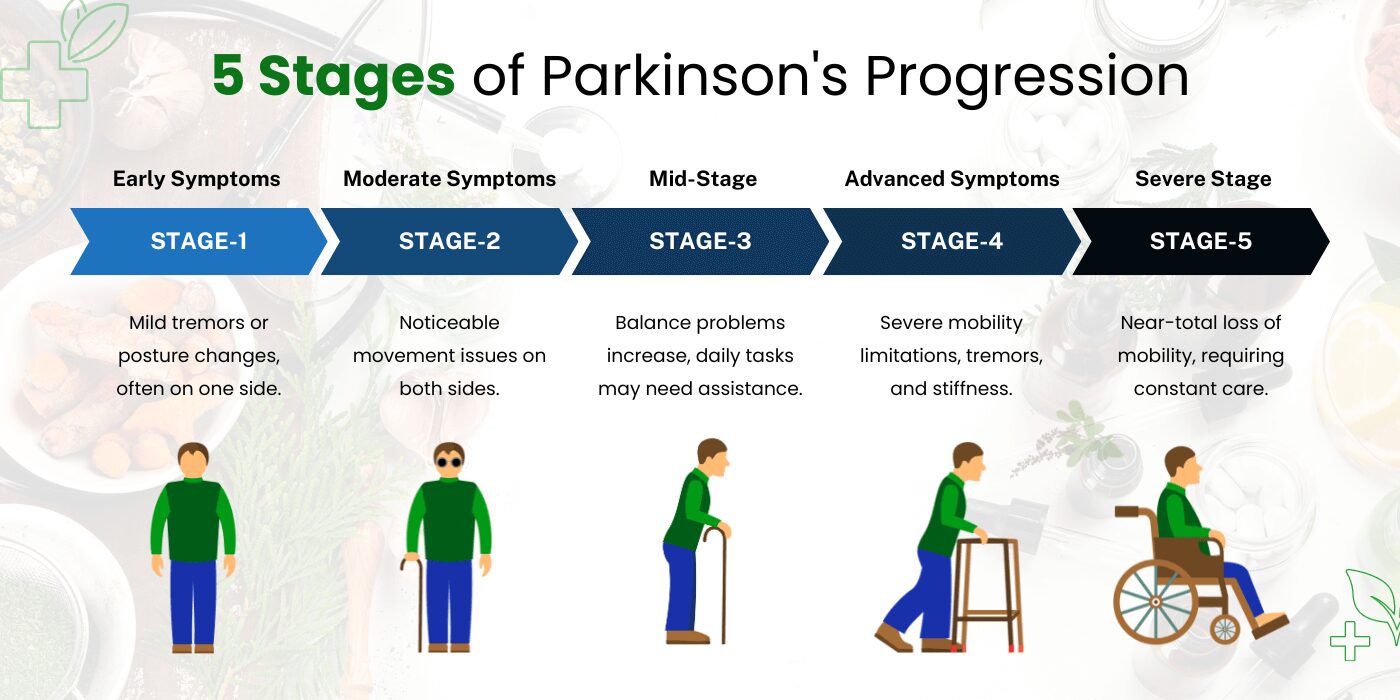
Parkinson’s disease is a progressive neurological condition that affects movement, balance, and coordination. While there is currently no cure, effective care focuses on symptom management and enhancing quality of life through a combination of medical treatments, therapies, and lifestyle changes.


Managing Parkinson’s Disease:
  • Medications: Most people with Parkinson’s eventually require levodopa, a medication that helps restore dopamine levels in the brain. This improves communication between the brain and muscles, easing symptoms like tremors, stiffness, and slowness of movement.
  • Therapies: Physical therapy to improve strength, balance, and mobility Occupational therapy to support daily tasks and maintain independence Speech therapy to address speech and swallowing difficulties
  • Lifestyle Adjustments: Regular aerobic exercise, a balanced diet, and stress management can significantly improve day-to-day functioning and overall well-being.
  • Advanced Care and Support Options:

    As Parkinson’s progresses, symptoms may become more complex and daily care needs may increase. At this stage, a care home might be considered to provide round-the-clock assistance

  • Care Homes: Staffed 24/7, these facilities offer help with personal care, daily activities, and medication management.
  • Nursing Homes: For individuals with more advanced symptoms, nursing care homes provide additional medical support.
  • Enrichment Activities: Many care facilities offer social and therapeutic activities designed to enhance mental engagement and quality of life.
  • Medications Several medications can cause a parkinsonism-like effect. The Parkinson's-like effects are often temporary if you stop taking the medication that caused them before the effects become permanent. However, the effects can linger for weeks or even months after you stop taking the medication.

    Damage from injuries Repeated head injuries, such as those from high-impact or contact sports like boxing, football, hockey, etc., can cause brain damage. The term for this is “post-traumatic parkinsonism.”

    Encephalitis Inflammation of your brain, known as encephalitis, can sometimes cause parkinsonism.Toxins and poisons. Exposure to several substances, such as manganese dust, carbon monoxide, fumes from welding or certain pesticides, can lead to parkinsonism.

    7 Ways to Help Your Loved One

    • Be Honest with Each Other
    • Educate Yourself
    • Attend Doctors' Appointments
    • Stay on Top of Insurance
    • Be Observant
    • Be Flexible
    • Be Sure Medications Are Taken
    Design by - Scaledsky
    Switcher Colors