
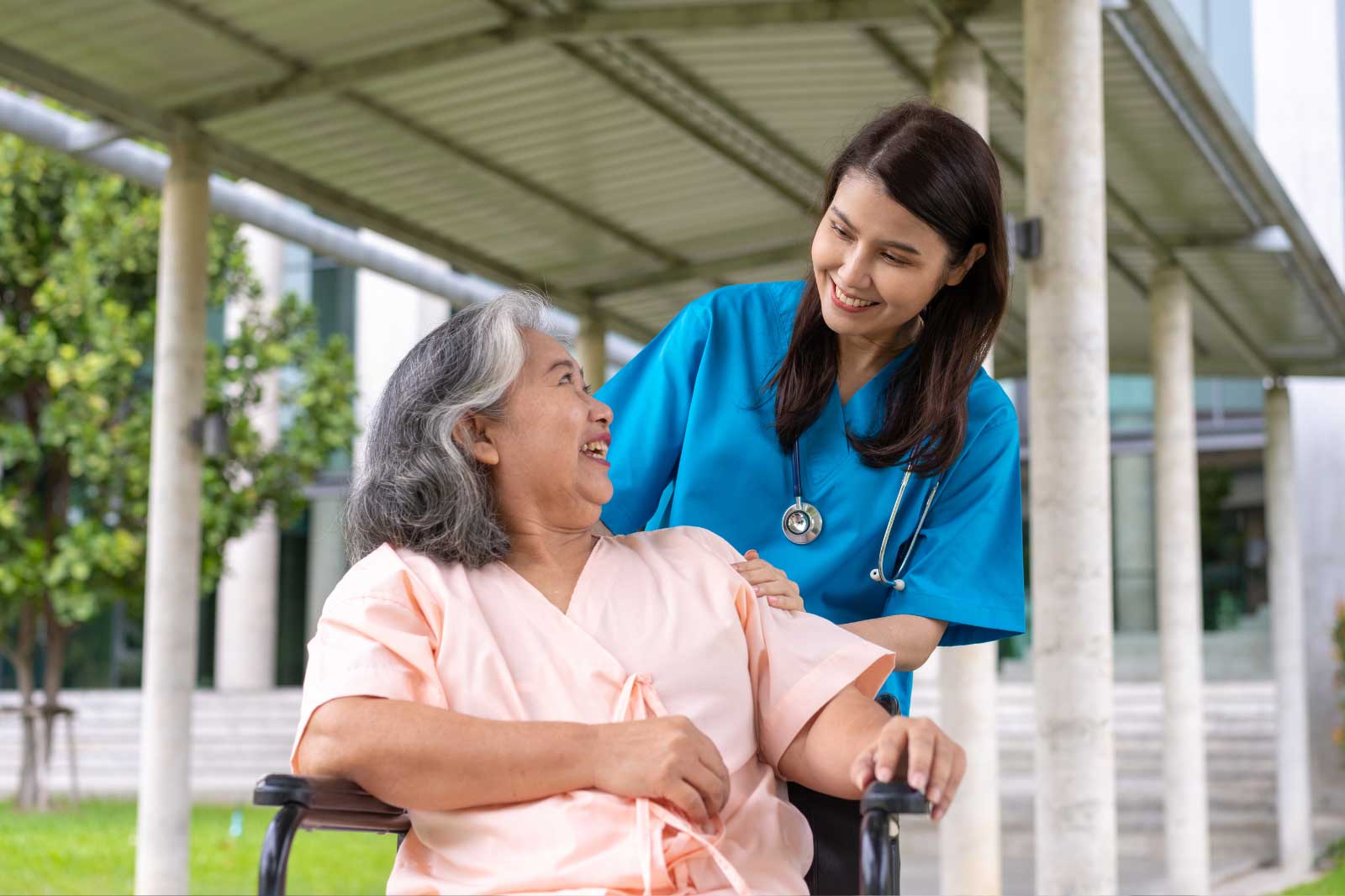
Geriatric Care
Geriatric care involves a holistic approach to managing the health and well-being of elderly individuals. It includes both medical and non-medical support tailored to the unique needs of aging adults. Medical services under geriatric care may include occupational therapy, physical therapy, dialysis, and intravenous (IV) therapy, while non-medical care addresses daily living support and emotional well-being.
Monitoring vital signs regularly becomes essential, especially during ongoing medical treatments. Routine check-ups at home help track vital health parameters, providing valuable insights into treatment effectiveness and overall health status. These records establish a baseline during good health and assist in early detection of health issues.
As people age, they may face a group of complex conditions known as geriatric syndromes. These include frailty, urinary incontinence, falls, delirium, and pressure ulcers. These syndromes often result from multiple factors and require coordinated, specialized care.
Geriatric care is delivered by trained nursing and healthcare professionals who focus on managing chronic illnesses, maintaining functional independence, and enhancing the quality of life for seniors, ensuring a dignified and supportive aging experience.


Geriatrics is a specialized branch of medicine devoted to delivering high-quality, patient-centered care specifically for older adults. As individuals age, they face distinct health challenges and concerns. Geriatric specialists are uniquely trained to address these age-related issues, ensuring that care is tailored to support the medical, emotional, and functional needs of elderly patients.